Pages

Showing posts with label Day 2. Show all posts

Tuesday, January 1, 2019

SLJ Week 3 Day 2

Activity 1
One of the most important, but least talked about, animals in New Zealand is the bumblebee. It was first introduced to New Zealand in 1885 to help pollinate a special plant called the ‘Red Clover.’ Today, bumblebees do many other important jobs, including the pollination of greenhouses and orchard crops. If the bees did not pollinate the plants, they would not survive.
For this activity, we would like you to bee-come detectives and to learn more about the mysterious, and often ignored, bumblebee. We will provide you with five sentences about bumblebees from the NZ Bumblebee Conservation Trust website and it is your job to fill in the blanks with the missing information about bees. Choose the phrase/word that makes the most sense from the list at the bottom. (Each phrase/word can only be used once).
To earn full points for this activity you must type all five sentences and then fill in the blanks for each one. Post the completed sentences on your blog.
Unbee-lievable Facts about Bumblebees
  • The word ‘bumblebee’ is a compound word (bumble + bee). The word ‘bumble’ means to __hum or buzz_or drone__.
  • Bumblebees can fly very quickly. They can reach ground speeds of _54_ kilometres per hour (km/h).
  • Bumblebees are very strong! They carry up to __90__ percent of their body weight in food with them to avoid starvation.
  • Bumblebees can do more work and carry more pollen than other bees, including honeybees. In fact, they can do up to   __50____ times as much work as a normal honeybee.
  • The number of bumblebees is declining in New Zealand due to a number of factors, including the  ___removal of wildflowers and flowering trees, habitat loss, and extensive use of pesticides_.

Activity 2

Every day a chemical compound called carbon dioxide (CO2) is produced and released into the air.  If it isn’t removed, it can become toxic for humans. Fortunately, there are a number of places where CO2 is absorbed (removed from the air). Two of the most common places are forests and oceans. They are called ‘carbon sinks’ because, like a sink, they gather, clean and drain things away that we don’t want. One of the largest carbon sinks in New Zealand is a forest in the south-western part of the South Island. It drains away 60% of our unwanted carbon!
Let’s imagine that you could design a sink that could gather up and then drain away any foods that you don’t like. On your blog, tell us what you would put in your special sink. If it was me, I would put rice pudding, brussel sprouts, custard, parsnips, and seafood chowder in the sink. Yuck! What about you?
On your blog, list all of the foods that you would put in your special draining sink..
Every day a chemical compound called carbon dioxide (CO2) is produced and released into the air.  If it isn’t removed, it can become toxic for humans. Fortunately, there are a number of places where CO2 is absorbed (removed from the air). Two of the most common places are forests and oceans. They are called ‘carbon sinks’ because, like a sink, they gather, clean and drain things away that we don’t want. One of the largest carbon sinks in New Zealand is a forest in the south-western part of the South Island. It drains away 60% of our unwanted carbon!
Let’s imagine that you could design a sink that could gather up and then drain away any foods that you don’t like. On your blog, tell us what you would put in your special sink. If it was me, I would put rice pudding, brussel sprouts, custard, parsnips, and seafood chowder in the sink. Yuck! What about you?
On your blog, list all of the foods that you would put in your special draining sink..
Onion
Cheddar Cheese (even though sometimes they use it for pizza, I love pizza though but not cheddar cheese)
Dried apricot
Oyster

Activity 3

In the middle of winter it can get quite wet and damp in New Zealand, can’t it? When it gets really damp, it is common for things like mould and fungi to start to grow. We can often see them on the walls, ceilings or floors of our houses or outside on footpaths, buildings or roadways. Some types of mould and fungi are so small that they can’t be seen. Some of these tiny fungi/mould can be found in the air. They are called ‘airborne fungi’ and they can be unhealthy for us.
Let’s imagine that we tested the air in your classroom and found 7 different kinds of mould. Eek! The cleaner says that it takes 5 days for each mould to be eradicated (removed). If the school had to remove each mould one at a time, how long would it take to remove all the mould from the classroom?

On your blog, tell us how you would solve this tricky maths problem. Be sure to also post your final answer in days or weeks.
The cleaner said that it would take us 5 days to for each mould (7) to be removed
You can easily do this with multiplication.

7 x 5 = 35

if you don't know your times table you can do this instead.

5 + 5 + 5 + 5 + 5 + 5 + 5 = 35
or
7 + 7 + 7 + 7 + 7 = 35

Thanks for reading my blogpost :)

Tuesday, December 25, 2018

SLJ Day 2 Week 2


Activity 1
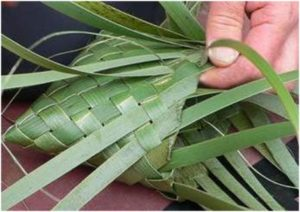
There is a long history in New Zealand of collecting natural plants, including flax (harakeke), and using them to create cloaks, baskets (kete), mats, traps and ropes. Flax weaving is an art form. It can take years for people to perfect the art of weaving. Have you ever tried it?
For this activity, you are asked to watch a short video of someone weaving a fish (ika) out of flax.
On your blog, tell us whether or not you would like to try flax weaving. Does it interest you? Why or why not?
I haven't done flax weaving before, it sounds fun, I want to try it because it's a great way to kill time, it's also a great way to show your creativity and imagination. It's very useful too, you can make a basket out of it without even spending money, you can just get the flax in your backyard. I think it would be nice if you use flax to decorate your room.

Activity 2
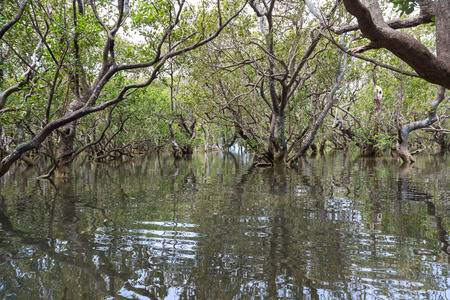
Here in New Zealand we have a native tree called a Kiwi Mangrove. Kiwi Mangroves grow in shallow water (harbours). The largest mangrove or manawa forests in New Zealand are located in Northland and in Auckland. According to many environmental experts, they are one of the toughest and strongest trees in the world because they can survive in really harsh (difficult) conditions.
For this activity, you are asked to think of someone who is very tough and strong. They can be someone who you know personally or they can be a character that you have read about in a book, seen in a movie, or on a television show.

On your blog, tell us about this person. Who are they? Why are they, in your opinion, so strong and tough?
I think that this person is really tough and strong, he is very famous for boxing and is currently serving as a senator in the Philippines, many people look up to him for his powerful fists, strong mind, golden heart, many of you probably know him or not. He is a great role model for everyone, even though he grew up in a poor family he managed to keep moving and is now the breadwinner of his family, he represents our country really well. He inspires children who want to be just like him when they grow up. That person is Manny Pacquiao.
When I was little my family and I used to watch boxing matches, especially when Manny Pacquiao is in the match. I really want him to meet in person too and ask him questions.

Activity 3

Here on earth there are more than 298 000 different kinds (species) of plants. Some of these plants live on land and some live in the water. Follow this link to read about 10 of the strangest plant species in the world. When you are finished, choose two of the plants from the list.

On your blog, list three similarities and three differences between the two plants that you chose. To earn five extra bonus points, post a picture of both plants on your blog.
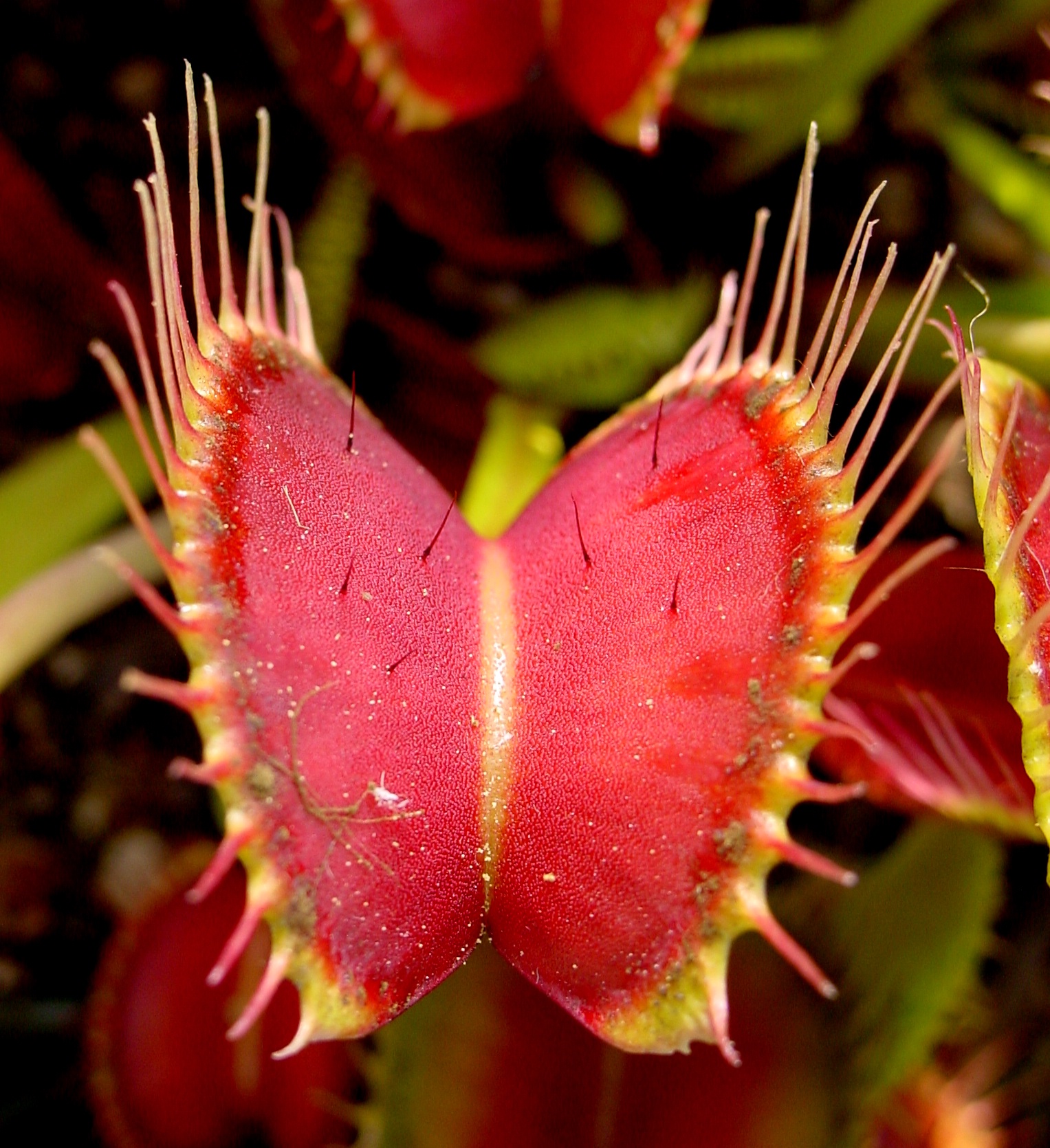
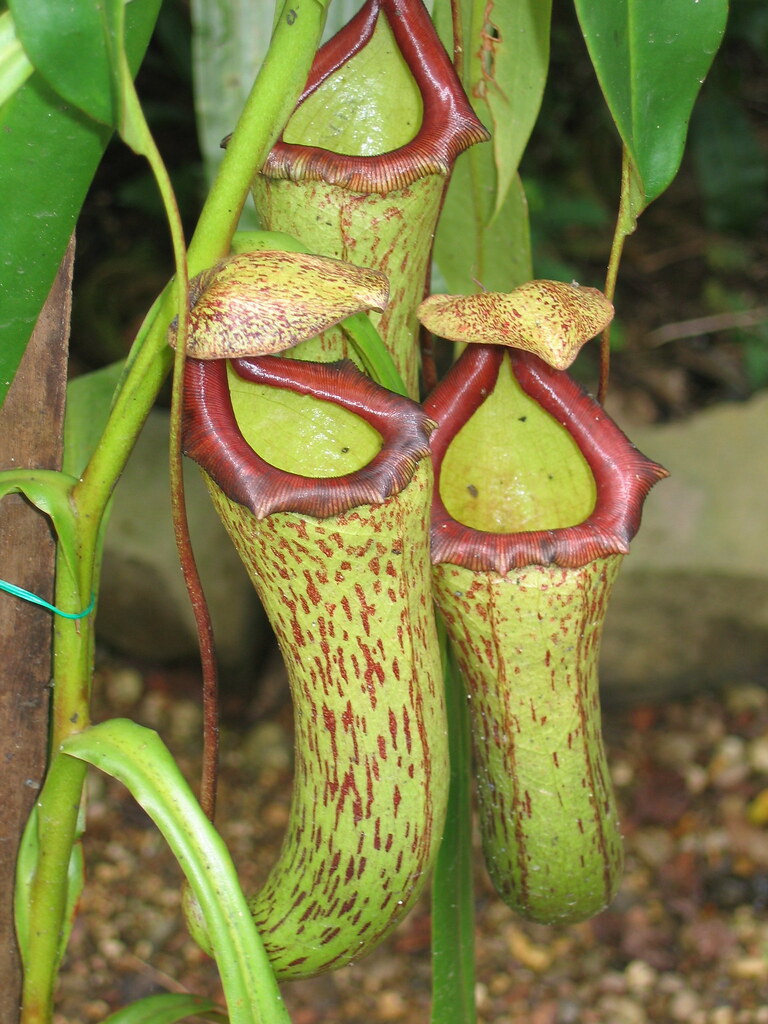
I chose the Venus Flytrap and the Pitcher Plant
Image result for venus fly trapsImage result for pitcher plants
Similarities:
  • They are both homologous, it means that they both use their leaves to trap insects and eat them
  • They are both carnivorous plants, it means that they get their nutrients from trapping insects or animals
I can't really think of the third one soooooo moving on to the nextImage result for thank u next gif

Differences:
  •  An insect won't be able to get out when it's inside the Pitcher Plants because its wall is so slippery no insect can even escape, it prevents insects from crawling out
  • When the Venus Flytrap is triggered, it's leaves will fold bringing both of them together, like bear traps for example
  • They are different because of their shapes and how they trap insects


Thanks for reading my blogpost

:)

Tuesday, December 18, 2018

SLJ Day 2

Kumusta everyone! I didn't get to do day 1 of SLJ (Summer Learning Journey) so I'm going to do day 2 instead :)

Activity 1

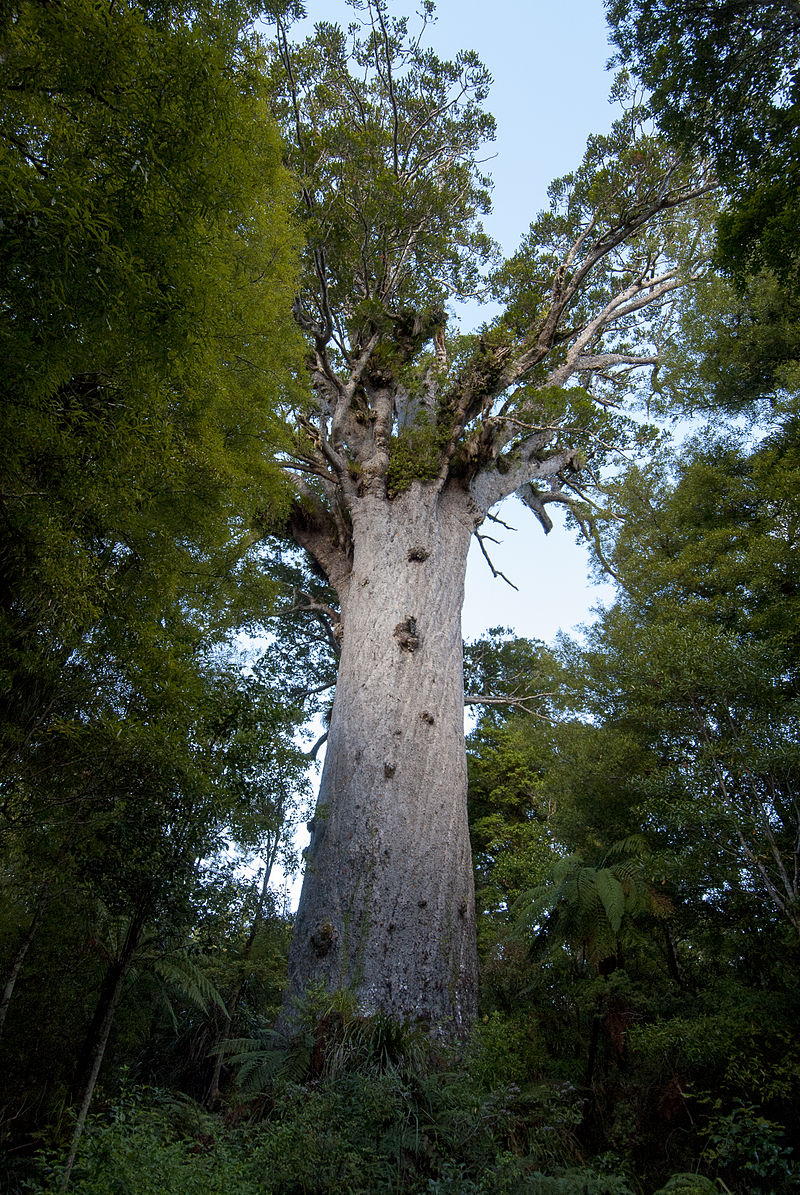
New Zealand has a really special environment. Many of the plants and trees found in New Zealand are not found anywhere else in the world. These plants and trees are endemic to our country.  In New Zealand, one of the largest and longest living endemic trees is the NZ Kauri tree. Kauri is mainly found in three regions of New Zealand: the Coromandel, Auckland and Northland. The largest Kauri tree in the country is in the Waipoua Forest in Northland. It is called Tāne Mahuta. Some people refer to it as the ‘Lord of the Forest.’
Thousands of people go to visit Tāne Mahuta every year. Would you like to be one of those people who got to see Tāne Mahuta in real life? Why or why not?
On your blog, tell us whether you would like to go and visit Tāne Mahuta one day. Be sure to tell us why you do (or do not) want to visit this endemic tree.
I would love to go and visit Tāne Mahuta because I've never seen a tree that tall and old and plus I want to explore and be adventurous too bad though, my parents are busy with work but if I had a chance to go there, I would! Who would want to miss a chance?
You can also discover a lot of stuff from it and you get to blog about it.


Activity 2 

One of the most common plants found in New Zealand forests is the fern. It is a special, iconic symbol of New Zealand. You will find pictures of ferns on the jerseys of many famous sporting teams in New Zealand, including the New Zealand All Blacks.
Did you know that many of these teams also have the word ‘fern’ in their name? Use your best researching skills to find three New Zealand sporting teams who use the word ‘fern’ in their title.

On your blog list three sports teams that have the word ‘fern’ in their title. Beside each team’s name, post a picture of their uniform. Then, at the bottom of your blog post tell us which of the three uniforms you like best and why.

  • All Blacks

Image result for all blacks uniform


  • Silver Ferns


  •  New Zealand Blackcaps
Image result for new zealand black caps uniform


I like the Silver Fern's Uniform because I think that it has a unique way to represent their country, I mean every uniform is unique in their own way. I pick their uniform not because it's for girls, it's because I prefer wearing it, I would wear it and the design is really cool and simple.


Activity 3

New Zealand is just one of many countries that has amazing plants and trees. In fact, the African desert is home to some pretty incredible plants, like the cactus. Some cacti are able to survive on as little as 3 millilitres (ml) of water a day. Wow!
Let’s imagine that you are given a cactus for your birthday. To keep it alive, you must give it 3 ml of water every day.
Over one full year, how much water will you need to give your cactus plant?
On your blog, tell us how to solve this math problem. You can write your answer in words, use a Sketchpad image, or post a video explaining how you would figure it out. Be sure to give us your final answer in millilitres (ml).
I multiplied 3ml and 365 together (why 365? It's because there are 365 days in a year)
= 1,095ml water a year
= 21ml water a week

Thanks for passing by! :)