Pages

Showing posts with label SLJ (Summer Learning Journey). Show all posts

Wednesday, December 4, 2019

SLJ - Day 4 Activity 1: Leading the Charge

If I were hired as a principal for a week, I'd make a lot of changes. I want to be the principal in primary school. As a principal, we need to focus on their learning that's why in a young age, we need to engage them into learning academics, learn about strategies and general knowledge.
We'll teach them Maths, Science, English, Reading, Writing, Music, Arts, P.E.

Image: http://www.fanpop.com/clubs/the-amazing-world-of-gumball/images/31164749/title/principal-brown-photo

I would add an extra activity every Monday after school for 2 hours, the children can have a choice of going to this particular activity. The activity I'd like to add is survival skills, they need to learn how to survive in such a young age and they can take those skills for them to us in the future and it'd be really handy.

During lunchtimes, we will have free lunch to give to everyone, for the foods, it'll be healthy foods from different countries because it'd be nice for them to eat foods from different countries and to add to that healthy ones, they need to balance their diet to keep their body healthy and strong.


Every morning, they need to run laps around the field because that's what we used to do back in my primary. After that, we'll give them fruits.

This is also an extra activity but on Fridays only and it is swimming lessons, it'll be running for 2 hours, we'll teach them swimming skills and the basics.

For EOTC week, it'd be nice to do swimming, going to a museum, going to a theme park, etc.

I'd take the staffs to the spa fortnightly.

Teach the kids how to plant vegetables and fruits in the garden.

Each class will have a class pet, bunny, dogs, cats fish, turtles, etc.

Those are a few things I'd want to do if I was a principal, thank you for reading. If those were to happen, we'd need a lot of money but I do hope that there are schools like that out there, if there was a school, I'd definitely want to go there and I'd probably go to school every day.

Tuesday, January 1, 2019

SLJ Week 3 Day 2

Activity 1
One of the most important, but least talked about, animals in New Zealand is the bumblebee. It was first introduced to New Zealand in 1885 to help pollinate a special plant called the ‘Red Clover.’ Today, bumblebees do many other important jobs, including the pollination of greenhouses and orchard crops. If the bees did not pollinate the plants, they would not survive.
For this activity, we would like you to bee-come detectives and to learn more about the mysterious, and often ignored, bumblebee. We will provide you with five sentences about bumblebees from the NZ Bumblebee Conservation Trust website and it is your job to fill in the blanks with the missing information about bees. Choose the phrase/word that makes the most sense from the list at the bottom. (Each phrase/word can only be used once).
To earn full points for this activity you must type all five sentences and then fill in the blanks for each one. Post the completed sentences on your blog.
Unbee-lievable Facts about Bumblebees
  • The word ‘bumblebee’ is a compound word (bumble + bee). The word ‘bumble’ means to __hum or buzz_or drone__.
  • Bumblebees can fly very quickly. They can reach ground speeds of _54_ kilometres per hour (km/h).
  • Bumblebees are very strong! They carry up to __90__ percent of their body weight in food with them to avoid starvation.
  • Bumblebees can do more work and carry more pollen than other bees, including honeybees. In fact, they can do up to   __50____ times as much work as a normal honeybee.
  • The number of bumblebees is declining in New Zealand due to a number of factors, including the  ___removal of wildflowers and flowering trees, habitat loss, and extensive use of pesticides_.

Activity 2

Every day a chemical compound called carbon dioxide (CO2) is produced and released into the air.  If it isn’t removed, it can become toxic for humans. Fortunately, there are a number of places where CO2 is absorbed (removed from the air). Two of the most common places are forests and oceans. They are called ‘carbon sinks’ because, like a sink, they gather, clean and drain things away that we don’t want. One of the largest carbon sinks in New Zealand is a forest in the south-western part of the South Island. It drains away 60% of our unwanted carbon!
Let’s imagine that you could design a sink that could gather up and then drain away any foods that you don’t like. On your blog, tell us what you would put in your special sink. If it was me, I would put rice pudding, brussel sprouts, custard, parsnips, and seafood chowder in the sink. Yuck! What about you?
On your blog, list all of the foods that you would put in your special draining sink..
Every day a chemical compound called carbon dioxide (CO2) is produced and released into the air.  If it isn’t removed, it can become toxic for humans. Fortunately, there are a number of places where CO2 is absorbed (removed from the air). Two of the most common places are forests and oceans. They are called ‘carbon sinks’ because, like a sink, they gather, clean and drain things away that we don’t want. One of the largest carbon sinks in New Zealand is a forest in the south-western part of the South Island. It drains away 60% of our unwanted carbon!
Let’s imagine that you could design a sink that could gather up and then drain away any foods that you don’t like. On your blog, tell us what you would put in your special sink. If it was me, I would put rice pudding, brussel sprouts, custard, parsnips, and seafood chowder in the sink. Yuck! What about you?
On your blog, list all of the foods that you would put in your special draining sink..
Onion
Cheddar Cheese (even though sometimes they use it for pizza, I love pizza though but not cheddar cheese)
Dried apricot
Oyster

Activity 3

In the middle of winter it can get quite wet and damp in New Zealand, can’t it? When it gets really damp, it is common for things like mould and fungi to start to grow. We can often see them on the walls, ceilings or floors of our houses or outside on footpaths, buildings or roadways. Some types of mould and fungi are so small that they can’t be seen. Some of these tiny fungi/mould can be found in the air. They are called ‘airborne fungi’ and they can be unhealthy for us.
Let’s imagine that we tested the air in your classroom and found 7 different kinds of mould. Eek! The cleaner says that it takes 5 days for each mould to be eradicated (removed). If the school had to remove each mould one at a time, how long would it take to remove all the mould from the classroom?

On your blog, tell us how you would solve this tricky maths problem. Be sure to also post your final answer in days or weeks.
The cleaner said that it would take us 5 days to for each mould (7) to be removed
You can easily do this with multiplication.

7 x 5 = 35

if you don't know your times table you can do this instead.

5 + 5 + 5 + 5 + 5 + 5 + 5 = 35
or
7 + 7 + 7 + 7 + 7 = 35

Thanks for reading my blogpost :)

Monday, December 31, 2018

SLJ Day 1 Week 3

Activity 1

New Zealand is a pretty lovely place to live, isn’t it? Apparently, New Zealand (NZ) is also a pretty lovely place to visit. In 2017 approximately 2-3 million people came to visit NZ as tourists. Some of them chose to come in the middle of our summer, while others braved it and came in the middle of winter! When do you think is the best time of year (season) to visit NZ?
If you would like some help making a decision, feel free to read the Go New Zealand website. It has lots of information about the seasons in NZ!
I, personally, encourage my friends and family from overseas to come and visit NZ in early spring. The weather is usually warm and dry and the tourist attractions, beaches and holiday spots are less busy than they are in the middle of summer.
On your blog, tell us what time of year you think is best for tourists to come and visit. Be sure to share at least three things that tourists could do while they were here in NZ.
If tourists like the cold and want for example to go skiing or snowboarding then winter is the perfect time of the year or season rather. Or if other tourists want to go to the beach, to catch fish or just to lay down in the sun and summer would be best for them. Usually, tourists like the sun, in my point of view because there are a lot of stuff they can do in summer like surfing, fishing, sailing, maybe even swimming.

Activity 2
People in New Zealand love spending time outdoors. Unfortunately, the sun is very powerful and the rates of skin cancer are incredibly high in New Zealand. In fact, they are higher than anywhere else in the entire world! To protect ourselves against skin cancer, we need to be careful about how much time we spend in the sun. We have to be ‘Sunsmart.’

Read the Sunsmart website.

On your blog, list five different things that we can do to protect ourselves from the sun this summer!
1. Always wear sunscreen even when the sun is not out and make sure to apply it properly.
2. Stay hydrated, drink a lot of water.
3. Wear a hat.
4. Protect yourself with clothes.
5. Of course, this is probably what people most do, wearing sunglasses to protect yourself from UV Rays.

Activity 3
While it can get hot in New Zealand, especially in the middle of summer, it gets even hotter in places like Dallol (Ethiopia), Dasht-e Loot (Iran), Tirat Zvi (Israel), Kabili (Tunisia) and Bandar-e Mahshahr (Iran).
The hottest temperature on record in each place is: Dallol: 41oC; Dasht-e Loot: 71oC; Tirat Zvi: 54oC; Kabili: 55oC; Bandar-e Mahshahr: 51oC. Crazy ‘eh?!
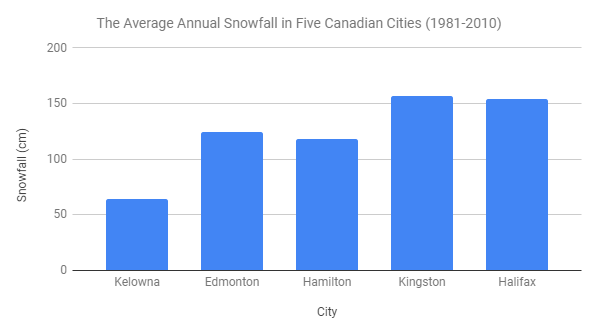
For this activity, you are asked to use this information to create a graph. The graph should have a title along with the names of each city and their hottest recorded temperatures. You can draw the graph by hand or use a computer programme like Google Draw to create your graph. It’s completely up to you!
Here is an example of a graph:
On your blog, post a picture of your graph.
Here is my graph
Preview Chart


Tuesday, December 25, 2018

SLJ Day 2 Week 2


Activity 1
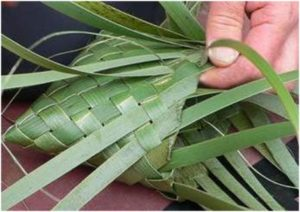
There is a long history in New Zealand of collecting natural plants, including flax (harakeke), and using them to create cloaks, baskets (kete), mats, traps and ropes. Flax weaving is an art form. It can take years for people to perfect the art of weaving. Have you ever tried it?
For this activity, you are asked to watch a short video of someone weaving a fish (ika) out of flax.
On your blog, tell us whether or not you would like to try flax weaving. Does it interest you? Why or why not?
I haven't done flax weaving before, it sounds fun, I want to try it because it's a great way to kill time, it's also a great way to show your creativity and imagination. It's very useful too, you can make a basket out of it without even spending money, you can just get the flax in your backyard. I think it would be nice if you use flax to decorate your room.

Activity 2
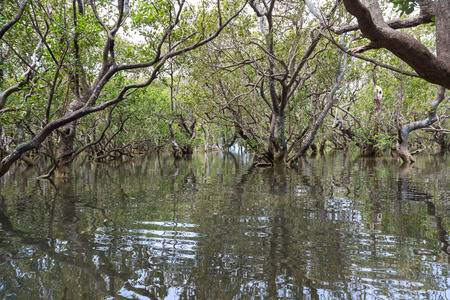
Here in New Zealand we have a native tree called a Kiwi Mangrove. Kiwi Mangroves grow in shallow water (harbours). The largest mangrove or manawa forests in New Zealand are located in Northland and in Auckland. According to many environmental experts, they are one of the toughest and strongest trees in the world because they can survive in really harsh (difficult) conditions.
For this activity, you are asked to think of someone who is very tough and strong. They can be someone who you know personally or they can be a character that you have read about in a book, seen in a movie, or on a television show.

On your blog, tell us about this person. Who are they? Why are they, in your opinion, so strong and tough?
I think that this person is really tough and strong, he is very famous for boxing and is currently serving as a senator in the Philippines, many people look up to him for his powerful fists, strong mind, golden heart, many of you probably know him or not. He is a great role model for everyone, even though he grew up in a poor family he managed to keep moving and is now the breadwinner of his family, he represents our country really well. He inspires children who want to be just like him when they grow up. That person is Manny Pacquiao.
When I was little my family and I used to watch boxing matches, especially when Manny Pacquiao is in the match. I really want him to meet in person too and ask him questions.

Activity 3

Here on earth there are more than 298 000 different kinds (species) of plants. Some of these plants live on land and some live in the water. Follow this link to read about 10 of the strangest plant species in the world. When you are finished, choose two of the plants from the list.

On your blog, list three similarities and three differences between the two plants that you chose. To earn five extra bonus points, post a picture of both plants on your blog.
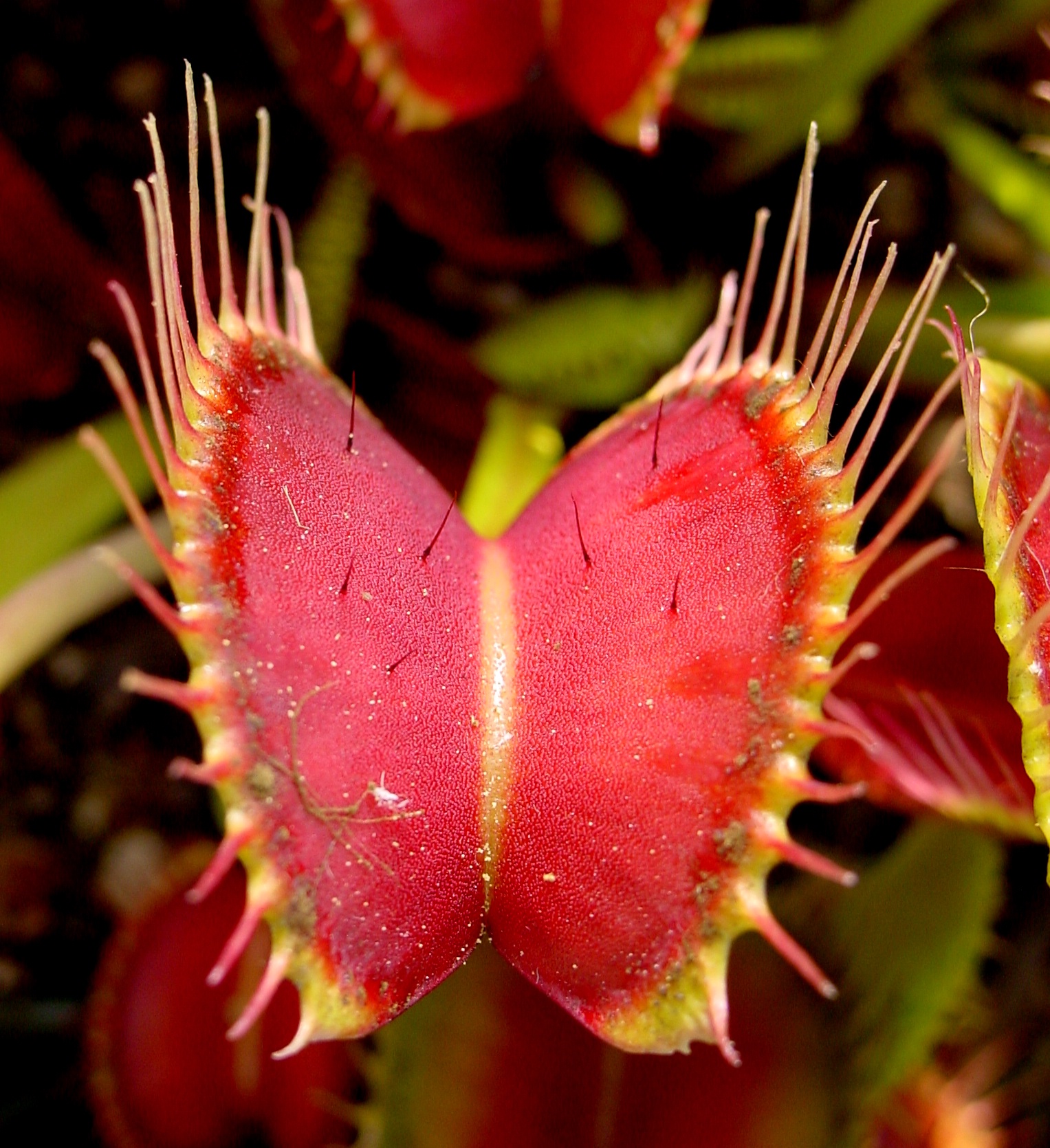
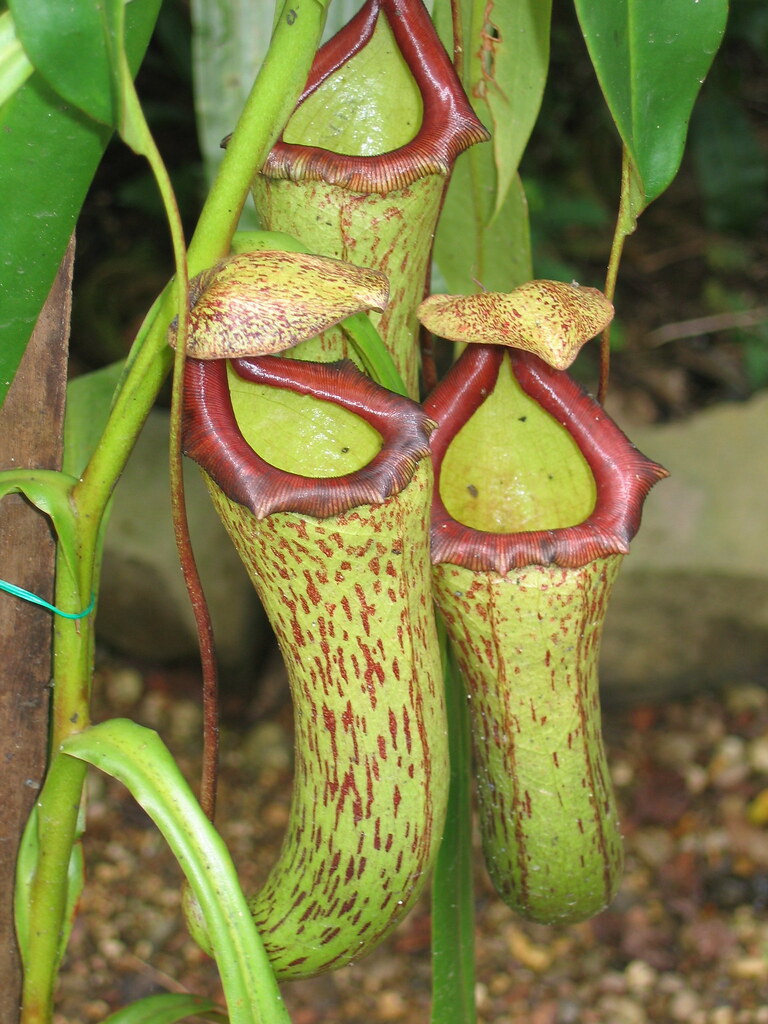
I chose the Venus Flytrap and the Pitcher Plant
Image result for venus fly trapsImage result for pitcher plants
Similarities:
  • They are both homologous, it means that they both use their leaves to trap insects and eat them
  • They are both carnivorous plants, it means that they get their nutrients from trapping insects or animals
I can't really think of the third one soooooo moving on to the nextImage result for thank u next gif

Differences:
  •  An insect won't be able to get out when it's inside the Pitcher Plants because its wall is so slippery no insect can even escape, it prevents insects from crawling out
  • When the Venus Flytrap is triggered, it's leaves will fold bringing both of them together, like bear traps for example
  • They are different because of their shapes and how they trap insects


Thanks for reading my blogpost

:)

Monday, December 24, 2018

SLJ Day 1 Week 2

Kumusta Everyone! How are you all doing? This is week 2 of Summer Learning Journey.

Activity 1

In New Zealand, we have many beautiful beaches and stunning waterfalls. One of the most spectacular waterfalls is called Kitekite and it is located in Piha, a small village west of Auckland. Tourists and locals flock to Piha during the summer season to enjoy the waterfall, the local beach, and the great surf. Have you ever tried surfing? Although I have never surfed many of my friends have and they absolutely love it. In fact, it is their favourite summer activity! What is yours?
For this activity, please take a picture of yourself doing one of your favourite summer activities. It could be anything! Here is a picture of one of our team members (Laura) doing one of her favourite summer activities.
On your blog, post a picture of yourself doing one of your favourite summer activities. Below the picture tell us what the activity is and tell us why it is one of your favourites.

One of my favourite summer activity is fishing, my dad loves fishing that's why he always wants me to come with him and I really enjoy it.

Benefits of fishing:

  • Helps you relax
  • It's a great way to bond with your family or friends
  • Help your immune system because fishing gets your body moving especially when you caught a big fish
  • You enjoy the great outdoors
  • You enjoy nature, peace and quietness
  • It gives you food
  • It helps you to become more resilient
  • It improves your patience
Bonus :)


This was when my dad, my dad's friend and I went fishing in Kaiapoi, I caught a lot of fish! It was fun and enjoyable, my dad took the photo and behind me is my dad's friend, my mum was busy at work that's why she didn't get to come.

Activity 2

Every year approximately 7500 people arrive in Taupo, New Zealand to compete in a one-day cycling race around Lake Taupo. The race route is 160 km in length. Participants can choose to compete in the full race or the half-race (80 km). Let’s imagine that you were given a free ticket to compete in the Lake Taupo Cycle Challenge next year and you were able to bring three people with you as your ‘support crew.’ Who would you bring with you?

If it was me, I would choose my son, Aronui, as one of my supporters because he’s really funny and energetic. I think that he would make sure that I had a great time and that I spent the entire day laughing and smiling. I would also choose my sister, Leigh, because she is very strong and fast. Thirdly, I would choose my co-leader, Hazel, because she is very organised and would make sure that we followed the trail and didn’t get lost!
On your blog, list the three people you would like to have on your Lake Taupo Cycle Race Support Crew. Tell us why you have chosen each person.

I would bring my mum because she'd be a great supporter, she's fun to be with, she is a lovable mother, she's always ready for everything, she gives me courage, she's a sweet-caring mother and I just love her.

I would also bring my dad because he'd be a great coach especially when it comes to these type of activities, he likes to be adventurous, he is resilient in everything he does, he loves sports and I just love my dad.

I don't know the 3rd person to bring though but I'm okay with just my mum and my dad. :)

Activity 3

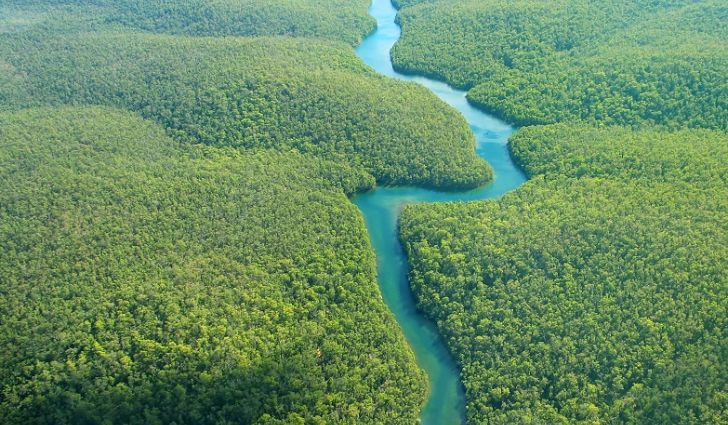
One of the longest and largest rivers in the world is called the Amazon River. It is located in South America and is approximately 6400 kilometres (kms) long. That is four times longer than the entire country of New Zealand. Wow!
Scientists believe that there are over 3000 different kinds of fish that live in the Amazon River. Now, that is a lot of fish! To learn more about fish, we went online and found some really cool facts about fish.
For this activity, we are going to provide you with five sentences about fish. Some of them are true and some are them are not. It is your job to read these ‘facts’, and decide whether they are true or false.

On your blog, write out each fact and in CAPITAL LETTERS beside the fact, write the word ‘TRUE’ if it is a true fact or ‘FALSE’ if it is not true.
True or False?

Fish Fact #1: The oldest known fish in the world is a 65-year-old Australian lungfish.
My answer: True
Fish Fact #2: Sharks are the only fish that have eyelids.
My answer: True
Fish Fact #3: Starfish are a type of fish.
My answer: False
Fish Fact #4: Fish communicate with each other by making low-pitched sounds (moans, hisses, etc)
My answer: True
Fish Fact #5: Fish usually swim together in groups called ‘classes'.
My answer: False


Thanks for reading my blogpost and Merry Christmas :)


Friday, December 21, 2018

SLJ Day 5

Activity 1

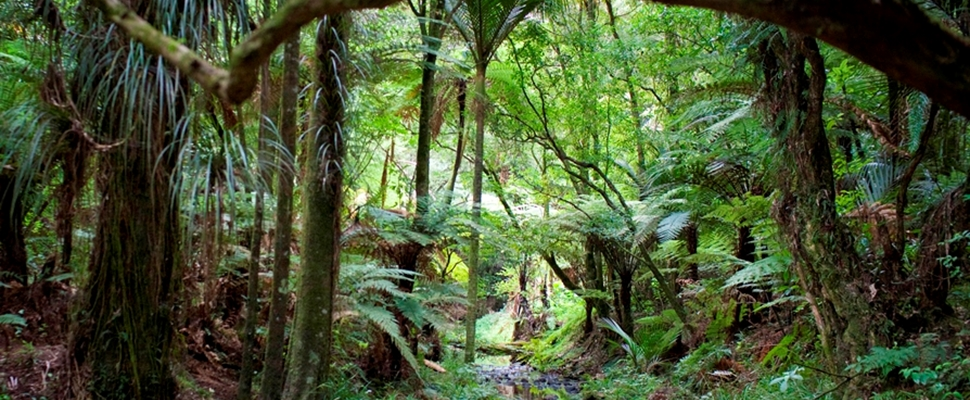
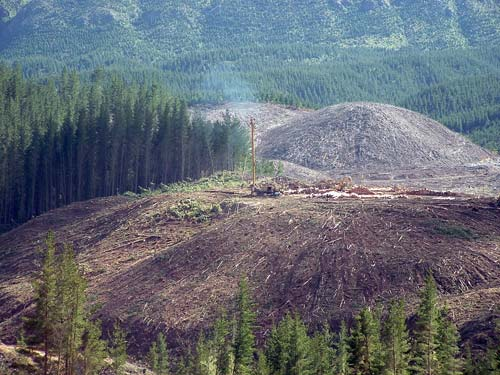
There is a long and rich history of logging in New Zealand. Logging involves cutting down trees. The people who cut them down are called loggers. The trees that they cut down are sold and used to build things (eg. houses), to make products (eg. paper), and to generate (create) heat and power. Over the past two centuries, many of the trees in New Zealand have been cut down by loggers.
Left: NZ native forest Right: A logged forest

Some people like logging because it creates jobs for the loggers and generates money for New Zealand while others are against (opposed to) logging. Many of those opposed are worried that logging will damage the environment. It might also force animals who live in trees (eg. owls) to find new homes.
What do you think about logging?

On your blog tell us whether you think logging should be allowed in New Zealand. Be sure to provide at least two reasons to support your argument.
Logging should be allowed in New Zealand because without woods, we won't have resources, we need wood because we use it for furniture, tables, chair and houses for example but the thing is the animals who live in trees will have to find another home, maybe they should cut down trees where there are no animals that are living there already and everytime they cut down trees, they plant more trees, so we won't run out of trees because trees give us oxygen.  

Activity 2

While it can get quite cold in New Zealand, it rarely drops below freezing (00C). Most of the time the temperature in New Zealand is pretty mild. This is not the case in the tundra. The tundra is an area of land (biome) that is cold, dry and completely treeless. Did you know that the average temperature in the tundra is -280C?
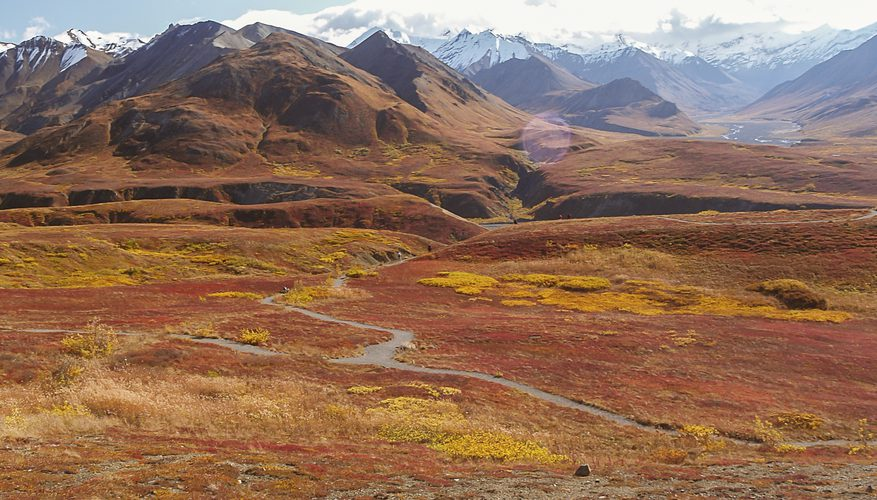
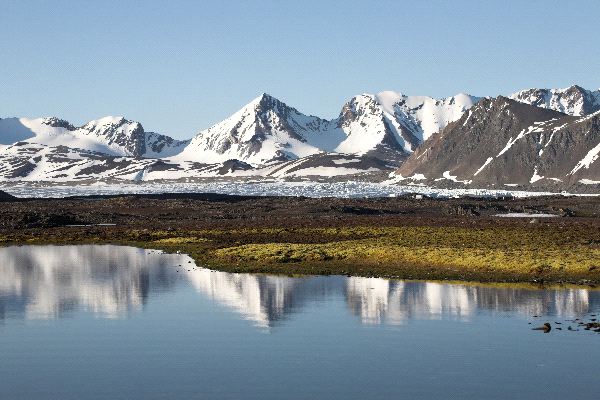
Over the past few years, however, the temperature in the tundra has been rising and the weather has been changing. Let’s imagine that your teacher decides to take you on a class trip to the tundra before the weather changes too much and you aren’t able to go.
On your blog, write a letter to your best friend or a family member telling them about your trip to the tundra. To earn full points your letter must have a greeting (eg. Dear…) followed by 5 – 6 sentences of information about what your experience.
  

Dear Mum and Dad

How are you guys doing there? Are you doing fine? I want to tell you my amazing trip to tundra, It's really nice here, I love the breeze and the landscape and the view! It's like I'm in a painting. We're throwing rocks on the water to see who's rock bounces the most, I'm really bad at this. We're eating our morning tea right now, I'm sharing food with my friends. There were birds looking at us as if they want to eat our food 😅 But I can't give them my food because we're not allowed to feed the birds. Our teacher told us some facts about Tundra. Tundra comes from a Finnish word "tunturia" it means treeless land. I'll tell you more about the rest of my trip later, I gotta take selfies with besties ❤️️ See you later! Miss you already.

Love Skyler


Activity 3
Over the years, scientists have made some surprising discoveries. One of these discoveries is that we have entire cities (e.g. Jakarta, Indonesia and Venice, Italy) that are slowly sinking into the ocean. Scientists believe that, one day, the cities will disappear completely under the water. Yikes!
Some of the residents (people living in the cities) have taken pictures of their neighbourhoods and written stories about their lives in order to make a record of what ‘life was like’ in their city before it disappeared.
Let’s imagine that New Zealand was going to sink to the bottom of the ocean next week (Eek!). Before it sinks you are asked to write a blog post telling people what life was like in New Zealand in 2018.
On your blog, post a description of life in New Zealand in 2018. Please remember that the people who read your post will have never been to New Zealand or even seen a picture so it is your job to ‘paint a picture’ of New Zealand using your words. You can also post pictures if you wish.

New Zealand is a country with over 4 million people, haven't been to New Zealand? Well, get ready to prepare your luggage and your ticket after I tell you about my life here in New Zealand. There are heaps of places you can go here in New Zealand, what I love about New Zealand are the people and the places you can go to and also the weather 😂 . I also made some friends here and I met new people too, my lifestyle here is very different back in the Philippines. We have mufti day in New Zealand unlike America, some schools don't wear uniforms, in the Philippines we don't wear much mufti. If it's your first time here in New Zealand and wants to live here for good and enrol to a new school you should so you can see the differences between your country and New Zealand. People in New Zealand are friendly, that's what I think.

Thanks for reading my blogpost

:)